





Current situation:
There are already a number of examples where technology is helping sports to understand the incidence and impacts of head injuries among players. For example, Sports & Wellbeing Analytics Ltd works with Swansea University and other partners to deliver innovative technology solutions in sports welfare. Their PROTECHT system is a real time head impact monitoring and management system for making contact sports safer. Initially developed for Elite Rugby Union, the system uses instrumented mouthguards to provide a quantitative measure of the intensity, direction and duration of all impacts to each athlete’s head whether they are direct to the head or not.
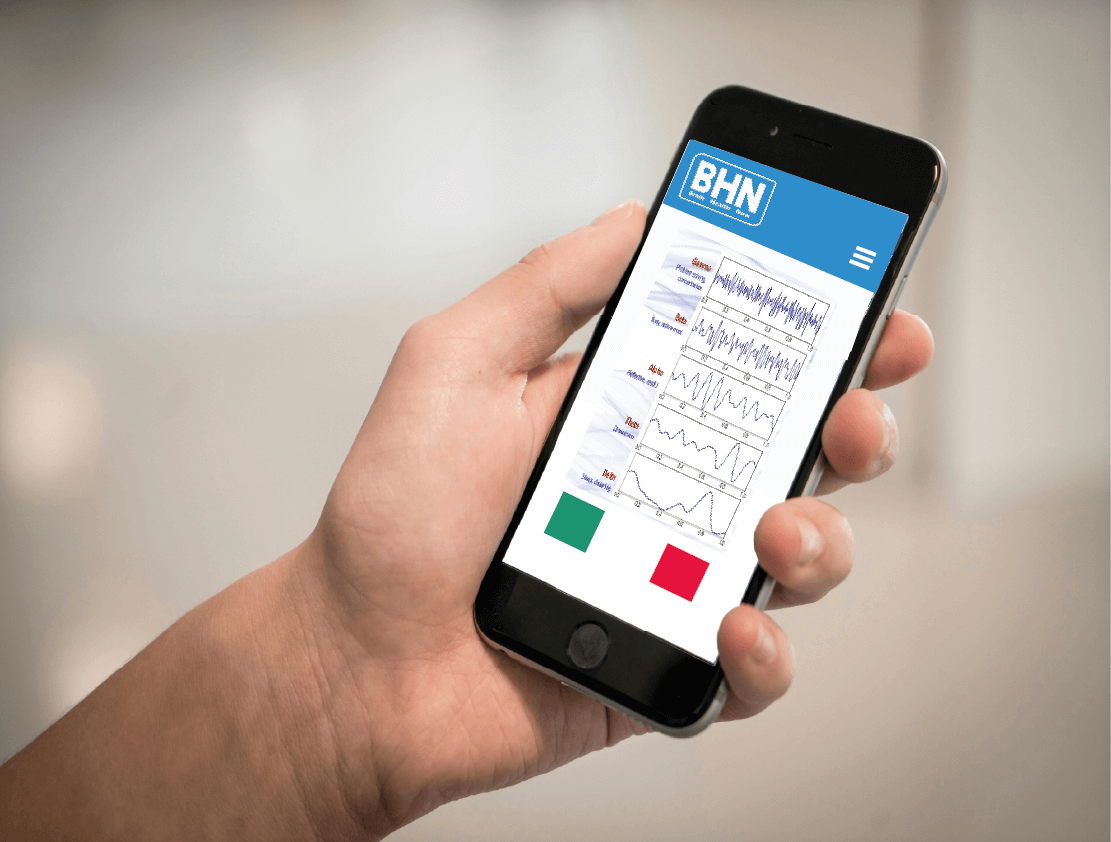
LOTG-led technology trials are commencing immediately with a portable brain scanning system measuring brain activity and function going through Medicines and Healthcare products Regulatory Agency (MHRA) approval. Training in its use for professional and amateur players has been completed in Cornwall, London and Kent and it is hoped that they will be a valuable aid to diagnostics and return to play protocols. The objective is to keep the product inexpensive and allow sports teams and schools access to their own scanning technology.
LOTG has developed a complete Concussion Management Partnership with a North American provider, allowing the UK immediate access to a tested system with quantifiable results in concussion symptom reduction. The initial roll out is planned to occur in 2022 with an objective of having similar systems available and rolled out across the country by 2026.
The Rugby Football League also launched a pilot scheme from May to August 2021 involving more than 1,200 players for an extensive game-wide research project into the cause and effects of concussion.
The 12 Super League clubs are to work with the Rugby Football League on the Instrumented Mouth-Guard Project, with research led by Leeds Beckett University designed to quantify the risk of head impact in rugby league. The scheme aims to cover around 50 teams at all levels of the game, including academy, the Betfred Women’s Super League and community clubs. Researchers are testing different instrumented mouthguards in both training and matches. Leeds Rhinos have been using such mouthguards since 2020 and Salford Red Devils have also started to use them this season.
The findings will determine which instrumented mouthguards are selected for the project, which is expected to begin in January 2022 and run for three years.
Not only can this type of information help individuals understand more about their own health, it can help teams take steps to reduce risks for players, such as by adapting training to limit the likelihood of head injuries outside of competition.
This is one example of where technology can have an immediate and positive benefit for research and sports. Advances in technology mean that new equipment and new software is being developed constantly as experts seek to find ways to capture increasingly real-time information in as unobtrusive a way as possible.