

90% of traumatic brain Injuries go un-diagnosed. Brain injuries often need hospital diagnosis


Instant Brain Health Insights With Objective Results In Real-Time.


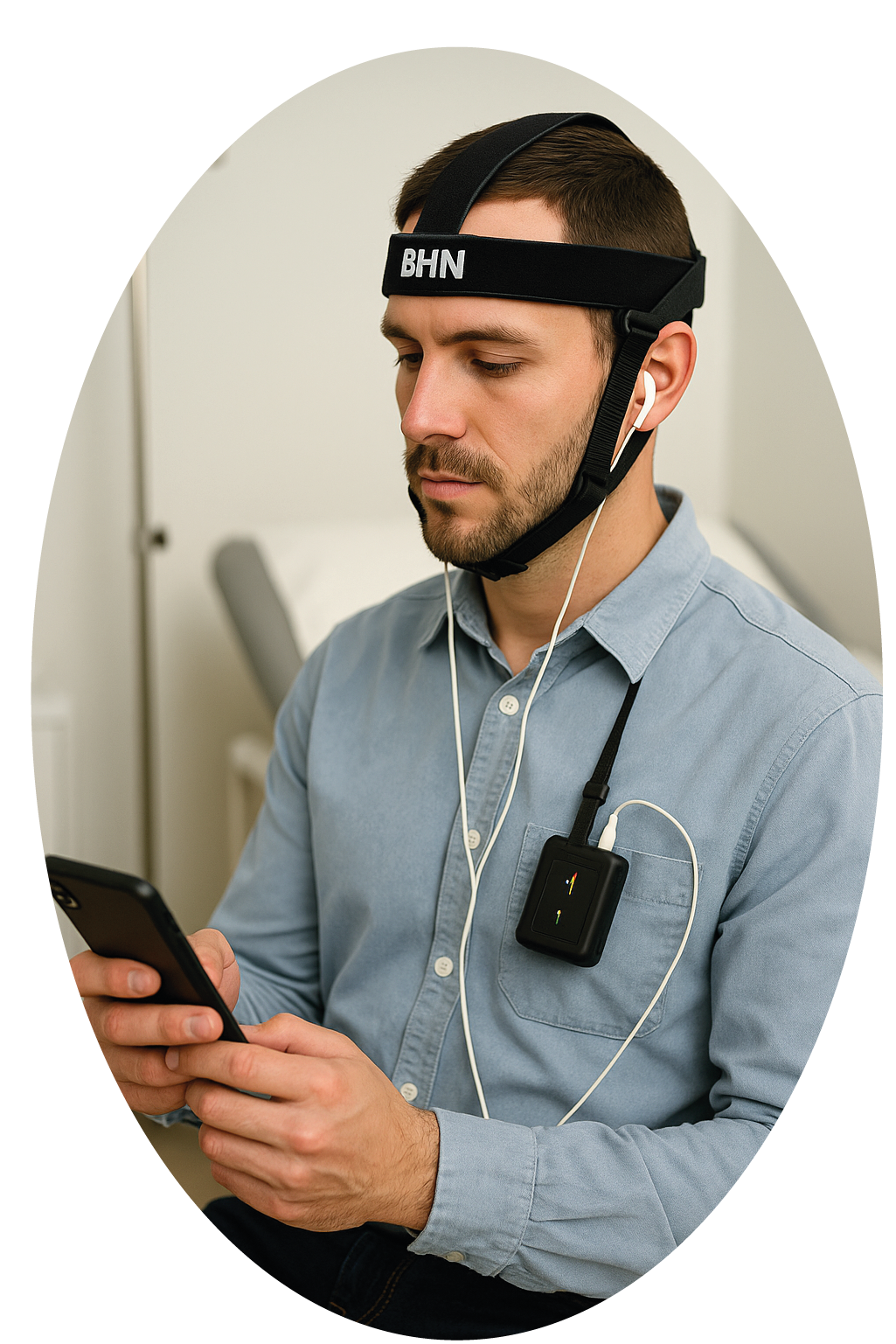
Brain Health Now (BHN) is a UK MedTech company developing a portable EEG headband that connects to a smartphone to detect brain injury in real time. Using AI-supported software, it provides rapid assessment outside hospitals.

Designed for sport, defence, and high-risk workplaces, the system delivers instant guidance — “fit to play” or “seek care” — helping identify injuries earlier and reduce long-term health risks while easing pressure on healthcare services.

BHN is currently conducting academic validation trials, refining its hardware for scalable manufacturing, and improving its machine-learning models. The project will also contribute to building the UK’s largest anonymised EEG dataset for future AI and clinical research.

Working with partners including Leeds Carnegie and Nottingham University, BHN is preparing for rapid deployment following validation, helping position the UK at the forefront of next-generation brain trauma detection.

A Lifelong Record For Your Brain Health

Brain Health Now is a UK MedTech company developing a portable EEG headband that connects to a smartphone app to assess brain health instantly outside hospitals.

Designed for sport, defence, and high-risk workplaces, the lightweight wearable provides fast, objective brain monitoring at the point of impact. This helps coaches, medics, and supervisors make safer, evidence-based decisions when brain injury or concussion is suspected.

By bringing hospital-grade brain monitoring to real-world environments, Brain Health Now aims to improve early detection of brain injuries that often go undiagnosed due to the lack of rapid, reliable assessment tools.

1,200,000 Head Injuries Are Un-Recognised Annually

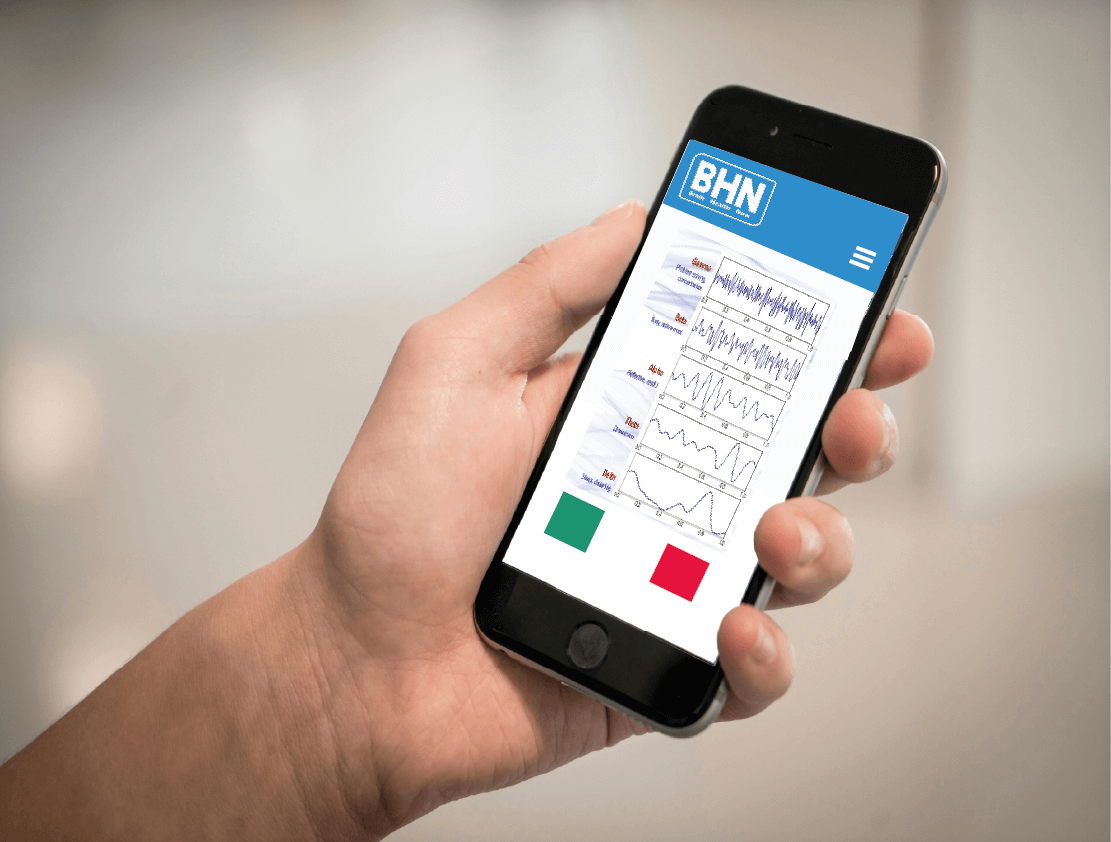
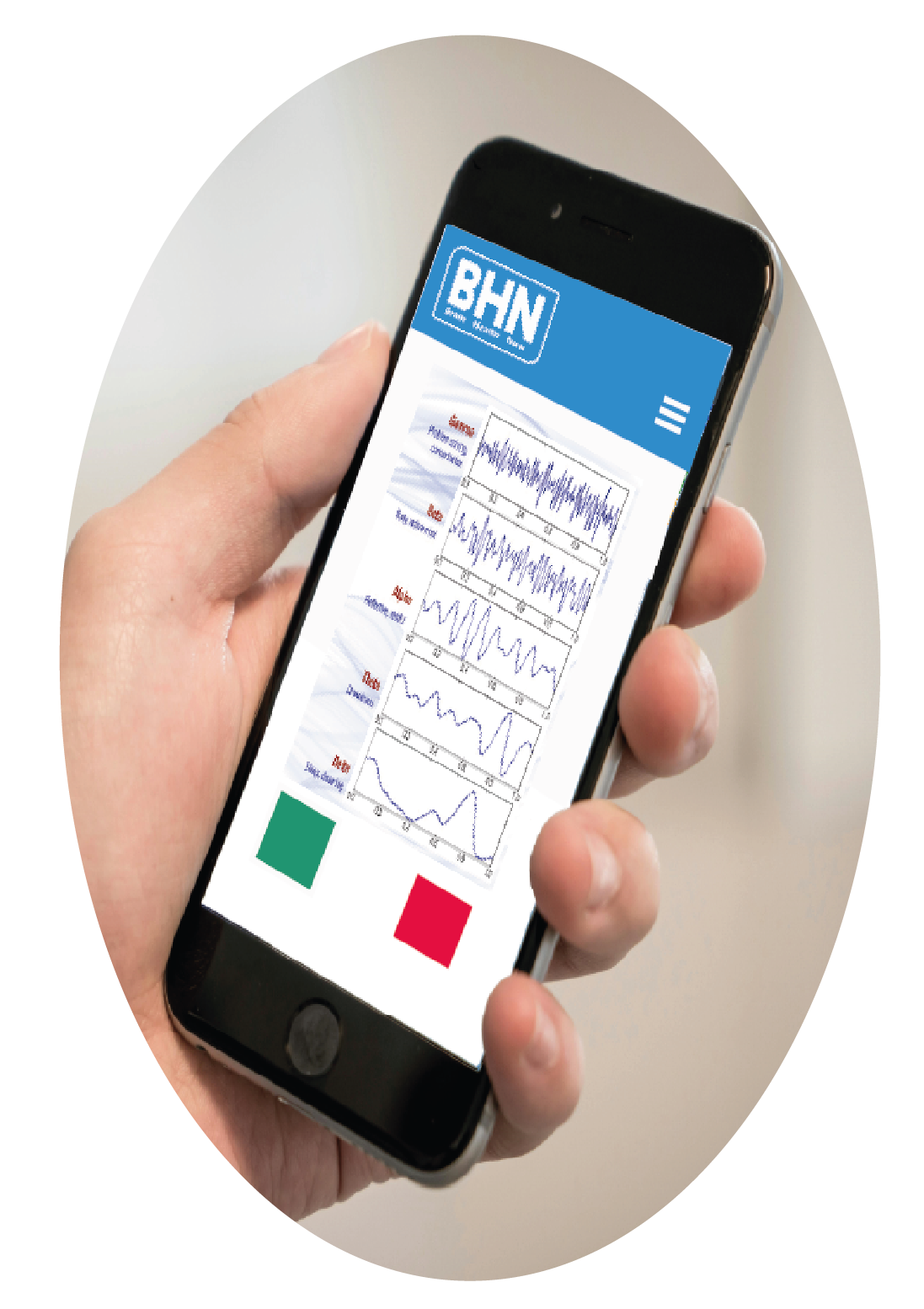
The system provides immediate readings of brain activity, analysed by advanced software to offer a clear “fit to play” or “seek further care” recommendation. It also creates a secure, lifelong brain health record for each user, offering valuable long-term insight.

In parallel, anonymised brain data from consenting users will be added to what we aim to become the largest EEG database in the world, a powerful resource for future research into concussion, dementia, PTSD, and other neurological conditions.

Where BHN’s Technology Works

Hover over/Click Image

Athletes

Several contact sports (e.g. football, hockey, lacrosse, and wrestling) are known for high rates of head injuries. While improved gear, stronger regulations, and player education has helped with raising awareness, there is a diagnostic void for proper identification of players affected by a mTBI.

Uniformed Services

TBI is a significant health issue for service men and women due to injuries that occur during training and military operations. The impact of which affects the level of unit readiness and troop retention. The Army has noted that combat medics need to be able to accurately and objectively assess soldiers with mild to moderate TBI

We modernise head-injury care with early, objective detection,replacing subjective, paper-based questionnaires and raising the standard of care.

Head Injuries in Sport

Modernising head-injury care with early, objective detection—replacing subjective paper tools. Physical activity benefits individuals and communities—enhancing health, cohesion, skills, confidence, and economic value. Evidence indicates population-wide physical activity lowers dementia risk and the incidence of stroke, heart disease, obesity-related conditions, some cancers, and depression.

Stronger, faster athletes—enabled by advances in coaching, conditioning, equipment, and facilities—heighten the need to prioritise acquired brain injury and concussion, reinforcing the duty-of-care agenda highlighted by Baroness Grey-Thompson (2017).

The DCMS Select Committee’s inquiry into concussion in sport (July 2021) provides a valuable call to action aligned with the Government’s approach.

We aim  for all ages and abilities to be active, whilst  addressing head injuries requires coordinated action across sport, health, education, academia, and technology. Minimise avoidable risk and ensure clear, consistent head-injury guidance; risk can’t be eliminated, and sweeping rule changes aren’t always required, but practical measures should be implemented.

We work with partners to implement and refine measures as research, technology, and data evolve—maintaining a continuous programme, reviewed and updated as evidence warrants.

We work with partners to implement and refine measures as research, technology, and data evolve—maintaining a continuous programme, reviewed and updated as evidence warrants.

How BHN Works

Clinical need
Current head injury diagnosis relies on recognising a potentially injurious event followed by self- or third-party reporting. Evidence shows that individuals may exhibit subtle, measurable brain changes with minimal or no symptoms. There is a clear need for sensitive, objective tools that reduce reliance on self-reporting and enable timely treatment and recovery.

BHN solution
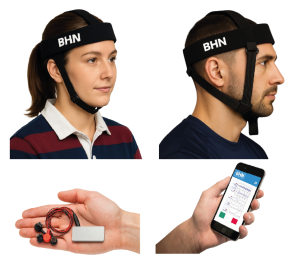
The BHN Portable Real-Time EEG device offers rapid, objective assessment using a small array of dry electrodes and does not require pre-injury baseline recordings.

Technology
The BHN system comprises five flexible, conductive-polymer EEG electrodes with leads connected to a microcontroller housed in a module approximately the size of a USB thumb drive. It integrates with a range of headgear to provide portable, unobtrusive EEG monitoring and is designed for use in high-risk civilian, military, and sports settings. The device is engineered to support real-time detection of mTBI as events occur


BHN Research Approach

TaCKLE (Tackle and Contact Kinematics, Load and Exposure) is a joint initiative between the Betfred Super League, the Rugby Football League (RFL) and BHN to strengthen concussion management and wider player welfare. “That’s our evidence-based approach to make sure we have the information” says Professor Ben Jones..

The project uses BHN’s miniaturised EEG technology to assess player exposure and neurophysiological responses. Brainwave data are collected at rest, post-match (controls), and following head injuries to evaluate the system’s reliability, validity and practical utility. Findings will inform the application of BHN’s technology in rugby league and support ongoing player-welfare initiatives.

BHN Portable Wearable Sensor

BHN Overview
BHN offers a first-of-its-kind wearable decision-support platform that combines high-fidelity EEG monitoring with artificial intelligence to automate key elements of triage and management for suspected head injuries.

Role in mTBI Care
BHN introduces a new position in the mTBI pathway by detecting an objective physiological signal of brain injury, independent of the precipitating force, and generating alerts so assessment, care, and documentation can begin immediately.

Differentiation and Impact
Unlike prior approaches that infer injury from environmental or biomechanical surrogates (e.g., impact counts or accelerations), BHN measures the brain’s electrical activity directly. In sport, mTBI is estimated to be missed in up to 50% of cases; BHN aims to reduce undetected injuries and support safer, evidence-based return-to-play decisions.


Electronic Brain Record

Data Integration and Access

Securely unify longitudinal EEG data and integrate with EHRs via HL7, giving field-side and clinic teams timely access to vitals and neurophysiological metrics for immediate care and recovery planning.


Addressing a Critical Unmet Need

Purpose
A portable, non-invasive, real-time monitoring device designed to support the recognition of mild TBI.

Clinical Value & Deployment
BHN delivers more precise injury characterisation and a comprehensive view of brain status. We are advancing sports deployment through a phased, safety- and feasibility-led programme, backed by decades of clinical and device experience and a clear path to market—positioned to markedly improve early recognition, treatment, and recovery given the high incidence of match-play head injuries.

Key Attributes

  • Baseline-free, direct measurement of neurophysiological injury

  • On-device processing with longitudinal tracking via a secure, hosted cloud

  • Minimal training required