90% of traumatic brain Injuries go un-diagnosed. Brain injuries often need hospital diagnosis


Instant Brain Health Insights With Objective Results In Real-Time.


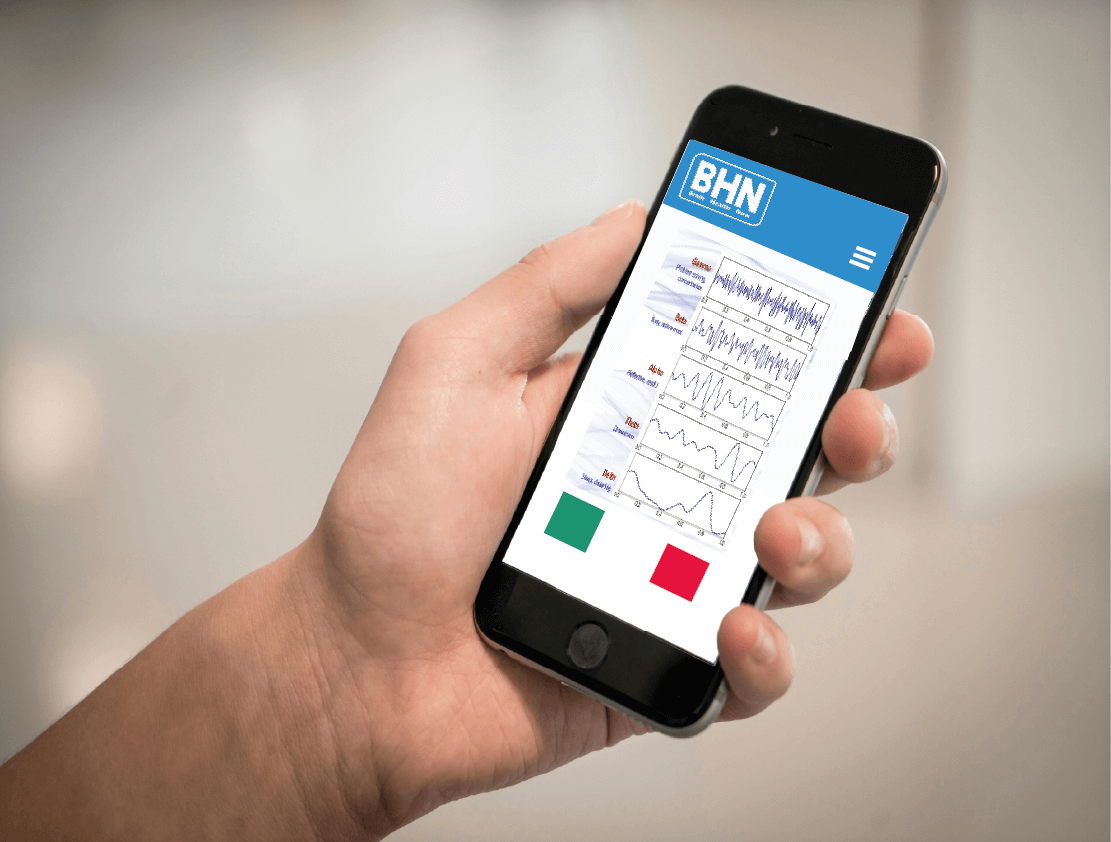
Brain Health Now (BHN) is a UK MedTech company developing a portable EEG headband that connects to a smartphone to detect brain injury in real time. Using AI-supported software, it provides rapid assessment outside hospitals.

Designed for sport, defence, and high-risk workplaces, the system delivers instant guidance — “fit to play” or “seek care” — helping identify injuries earlier and reduce long-term health risks while easing pressure on healthcare services.

BHN is currently conducting academic validation trials, refining its hardware for scalable manufacturing, and improving its machine-learning models. The project will also contribute to building the UK’s largest anonymised EEG dataset for future AI and clinical research.

Working with partners including Leeds Carnegie and Nottingham University, BHN is preparing for rapid deployment following validation, helping position the UK at the forefront of next-generation brain trauma detection.

A Lifelong Record For Your Brain Health

Brain Health Now is a UK MedTech company developing a portable EEG headband that connects to a smartphone app to assess brain health instantly outside hospitals.

Designed for sport, defence, and high-risk workplaces, the lightweight wearable provides fast, objective brain monitoring at the point of impact. This helps coaches, medics, and supervisors make safer, evidence-based decisions when brain injury or concussion is suspected.

By bringing hospital-grade brain monitoring to real-world environments, Brain Health Now aims to improve early detection of brain injuries that often go undiagnosed due to the lack of rapid, reliable assessment tools.

1,200,000 Head Injuries Are Un-Recognised Annually

The system provides immediate readings of brain activity, analysed by advanced software to offer a clear “fit to play” or “seek further care” recommendation. It also creates a secure, lifelong brain health record for each user, offering valuable long-term insight.

In parallel, anonymised brain data from consenting users will be added to what we aim to become the largest EEG database in the world, a powerful resource for future research into concussion, dementia, PTSD, and other neurological conditions.

Where BHN’s Technology Works

Hover over/Click Image

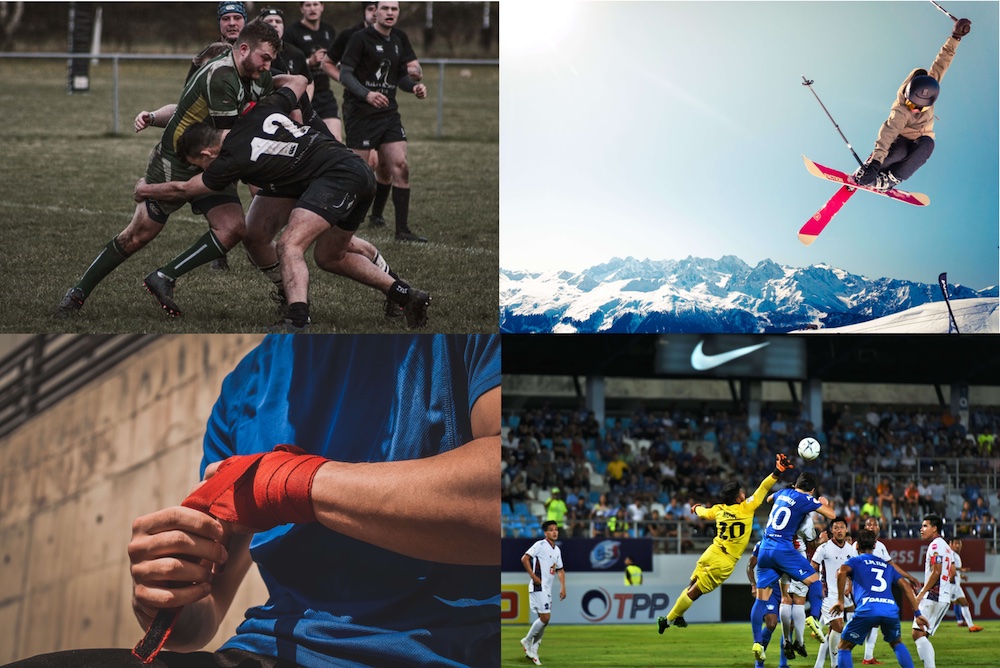
Athletes

Several contact sports (e.g. football, hockey, lacrosse, and wrestling) are known for high rates of head injuries. While improved gear, stronger regulations, and player education has helped with raising awareness, there is a diagnostic void for proper identification of players affected by a mTBI.

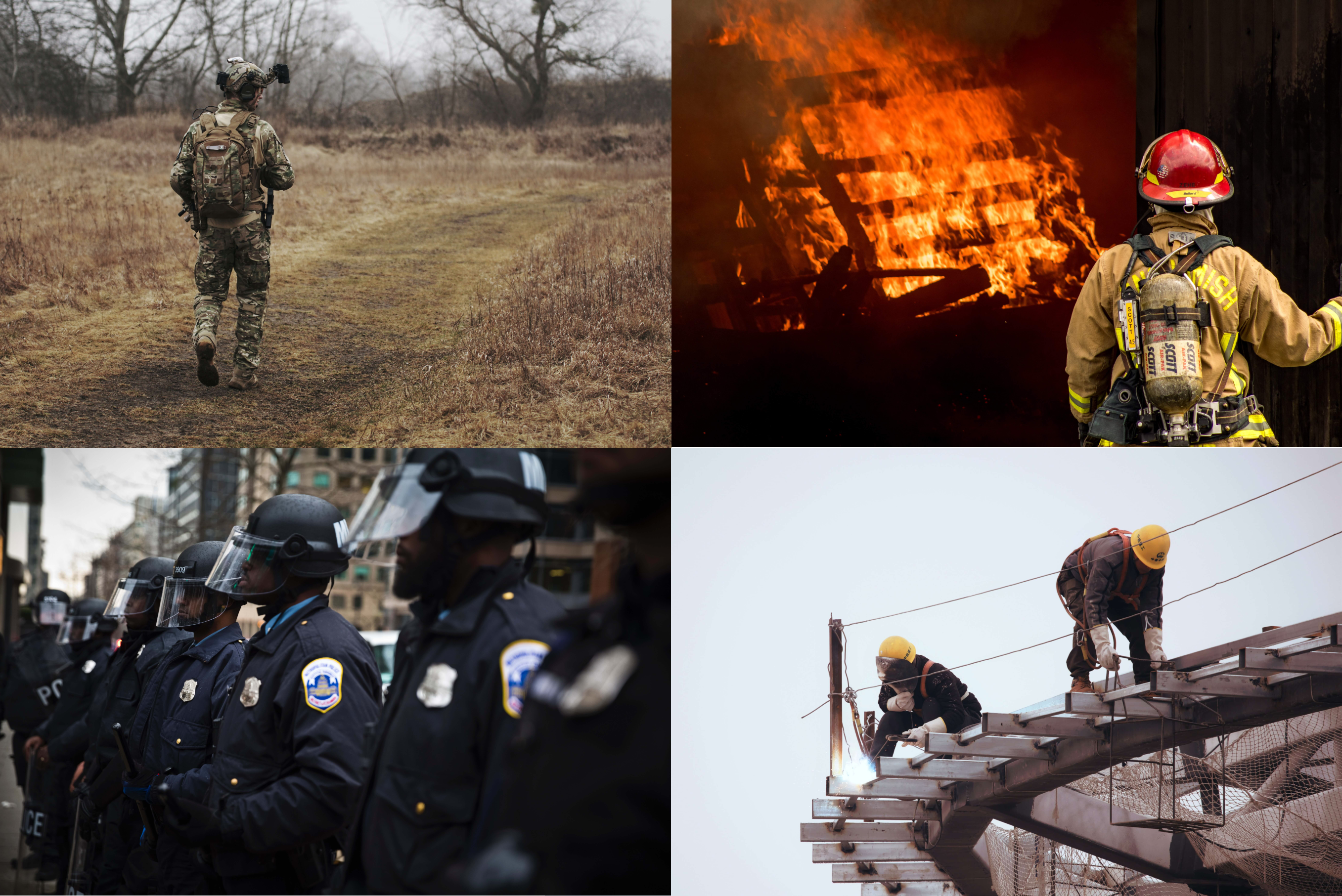
Uniformed Services

TBI is a significant health issue for service men and women due to injuries that occur during training and military operations. The impact of which affects the level of unit readiness and troop retention. The Army has noted that combat medics need to be able to accurately and objectively assess soldiers with mild to moderate TBI

Research-Areas to be Addressed

Despite these important efforts, there are a number of challenges where the Government believes further work is needed as a priority.

Firstly, there is a lack of shared understanding about the scale and prevalence of acquired brain injury through sporting activities in the UK. This is partly hampered by the lack of clarity about what degree and/or frequency of head trauma may cause long-term injury.

Secondly, there is a lack of robust UK data about the impact of sporting head injuries. It is clear that no amount of quantitative analysis has come close to adequately capturing the impacts on everyday life for people with acquired brain injury or their family and friends. However, there is still value in looking at what can be quantified and establishing the scale of the impacts that sports-related acquired brain injuries can give rise to for both individuals, their families and to our broader society.

Thirdly, we believe that there is scope for greater coordination of research. Individual sports and a variety of related organisations have varying levels of involvement in commissioning research. However, there are some areas of commonality across sports where there would be merit in agreeing shared research goals, and where the findings could be beneficial for more than one sport. Working with the individual sports bodies, specific research needs and gaps (such as female players) may be identified and assistance given to develop the relevant research in a shared and coordinated manner.

Above all, it is clear that there is a need for targeted research which is common to all sports and which should be carried out in an encompassing, disciplined, methodical and coordinated manner.

View Source Document Here

Previous Report

next Report