


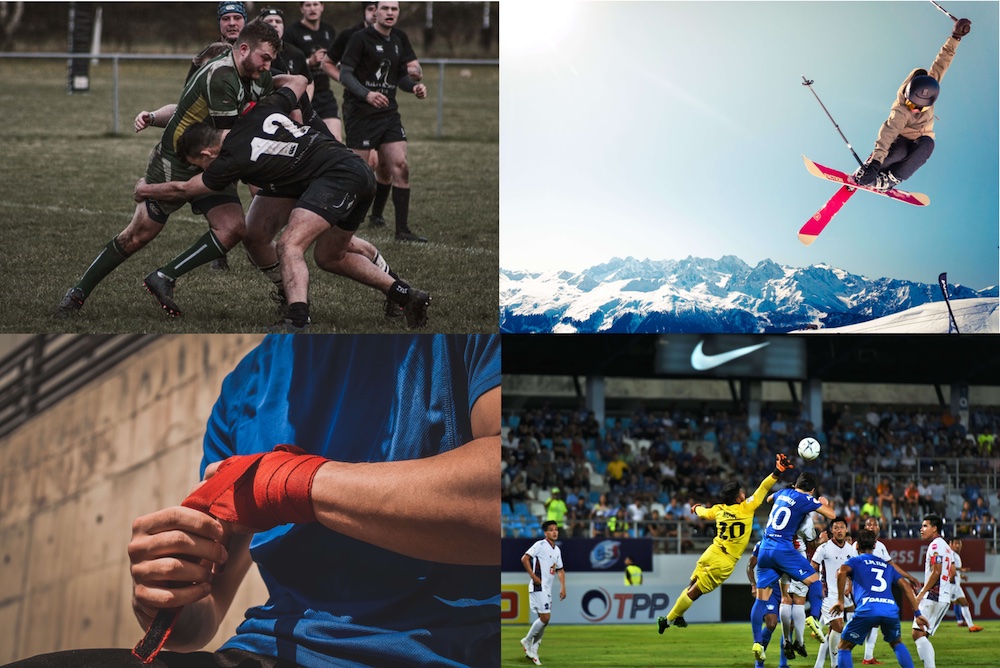
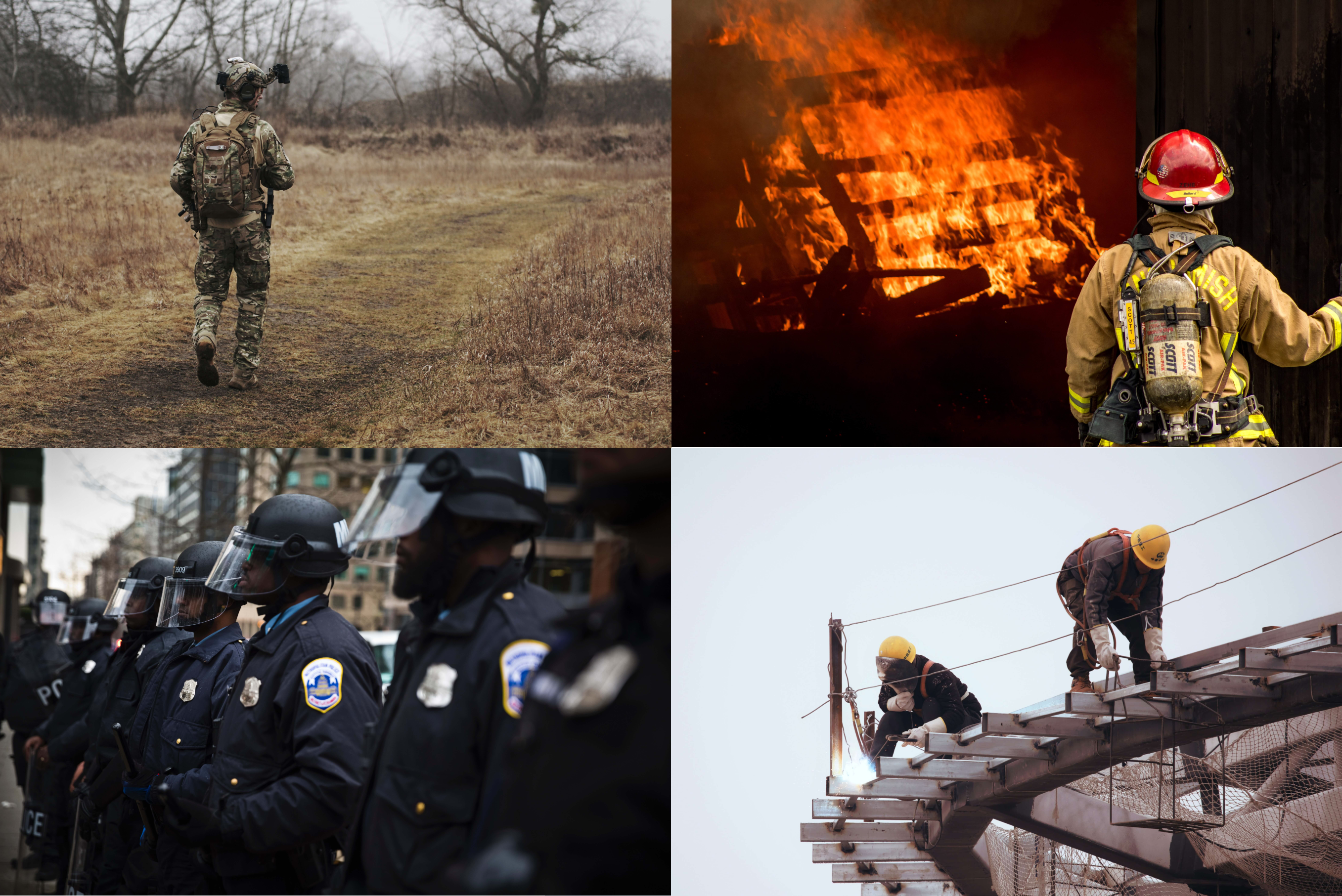
Concussion happens in many different settings, not just within sport. Concussion in sport is similarly not just limited to team sports where contact between players is obvious – athletes taking part in individual sports may also be subject to an incidence of concussion while playing or training (e.g. cycling or snow sports).
A definition of sport-related concussion (SRC) has been agreed by the Concussion in Sport Group, via its consensus statement agreed in Berlin in 2016. The statement is designed to develop further conceptual understanding of SRC, using an expert consensus‑based approach.
The Concussion in Sport Group’s definition of sport-related concussion, in the broadest clinical sense, often represents the immediate and transient symptoms of traumatic brain injury. Such operational definitions, however, do not give any insights into the underlying processes through which the brain is impaired, nor do they distinguish different grades of severity, nor reflect newer insights into the persistence of symptoms and/or abnormalities on specific investigational modalities.
The Berlin expert panel modified the previous definition as follows:
Sport related concussion is a traumatic brain injury induced by biomechanical forces. Several common features that may be utilised in clinically defining the nature of a concussive head injury include:
- SRC may be caused either by a direct blow to the head, face, neck or elsewhere on the body with an impulsive force transmitted to the head.
- SRC typically results in the rapid onset of short-lived impairment of neurological function that resolves spontaneously. However, in some cases, signs and symptoms evolve over a number of minutes
to hours. - SRC may result in neuropathological changes, but the acute clinical signs and symptoms largely reflect a functional disturbance rather than a structural injury and, as such, no abnormality is seen on standard structural neuroimaging studies.
- SRC results in a range of clinical signs and symptoms that may or may not involve loss of consciousness. Resolution of the clinical and cognitive features typically follows a sequential course. However, in some cases symptoms may be prolonged.
The clinical signs and symptoms cannot be explained by drug, alcohol, or medication use, other injuries (such as cervical injuries, peripheral vestibular dysfunction, etc) or other comorbidities (e.g., psychological factors or coexisting medical conditions).