

90% of traumatic brain Injuries go un-diagnosed. Brain injuries often need hospital diagnosis


Instant Brain Health Insights With Objective Results In Real-Time.


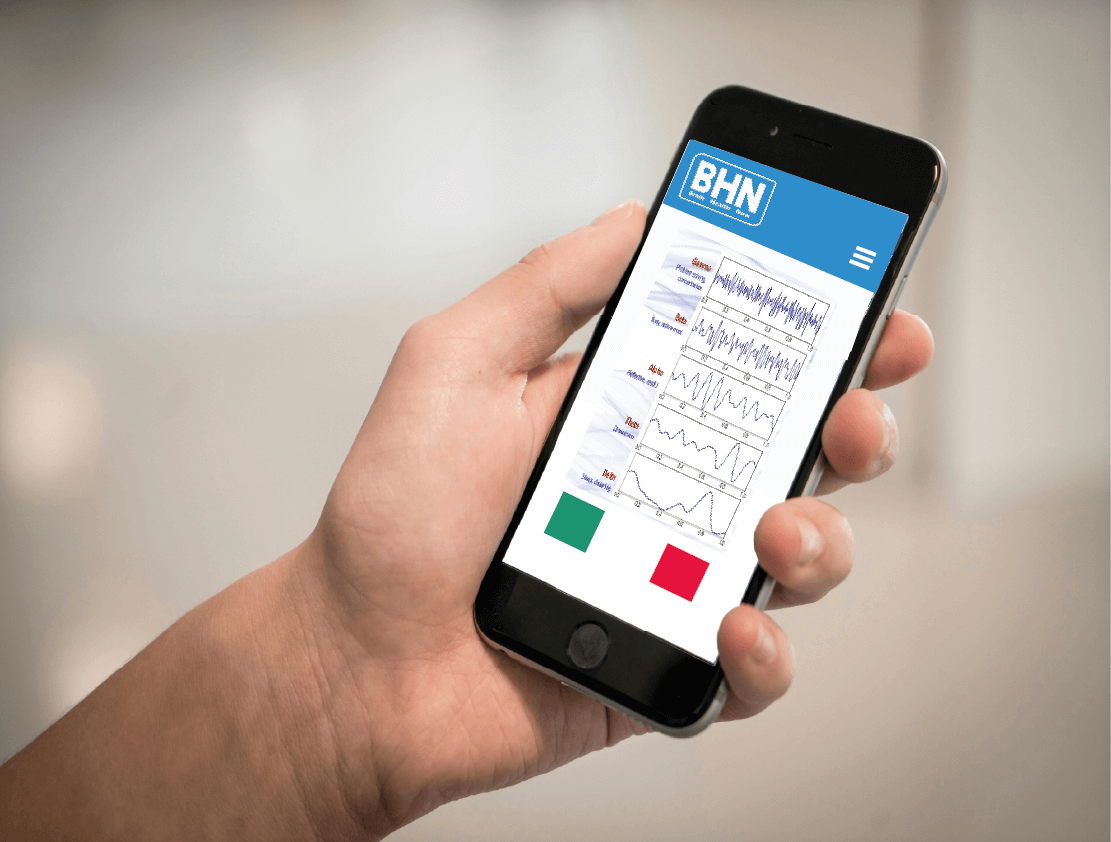
Brain Health Now (BHN) is a UK MedTech company developing a portable EEG headband that connects to a smartphone to detect brain injury in real time. Using AI-supported software, it provides rapid assessment outside hospitals.

Designed for sport, defence, and high-risk workplaces, the system delivers instant guidance — “fit to play” or “seek care” — helping identify injuries earlier and reduce long-term health risks while easing pressure on healthcare services.

BHN is currently conducting academic validation trials, refining its hardware for scalable manufacturing, and improving its machine-learning models. The project will also contribute to building the UK’s largest anonymised EEG dataset for future AI and clinical research.

Working with partners including Leeds Carnegie and Nottingham University, BHN is preparing for rapid deployment following validation, helping position the UK at the forefront of next-generation brain trauma detection.

A Lifelong Record For Your Brain Health

Brain Health Now is a UK MedTech company developing a portable EEG headband that connects to a smartphone app to assess brain health instantly outside hospitals.

Designed for sport, defence, and high-risk workplaces, the lightweight wearable provides fast, objective brain monitoring at the point of impact. This helps coaches, medics, and supervisors make safer, evidence-based decisions when brain injury or concussion is suspected.

By bringing hospital-grade brain monitoring to real-world environments, Brain Health Now aims to improve early detection of brain injuries that often go undiagnosed due to the lack of rapid, reliable assessment tools.

1,200,000 Head Injuries Are Un-Recognised Annually

The system provides immediate readings of brain activity, analysed by advanced software to offer a clear “fit to play” or “seek further care” recommendation. It also creates a secure, lifelong brain health record for each user, offering valuable long-term insight.

In parallel, anonymised brain data from consenting users will be added to what we aim to become the largest EEG database in the world, a powerful resource for future research into concussion, dementia, PTSD, and other neurological conditions.

Where BHN’s Technology Works

Hover over/Click Image

Athletes

Several contact sports (e.g. football, hockey, lacrosse, and wrestling) are known for high rates of head injuries. While improved gear, stronger regulations, and player education has helped with raising awareness, there is a diagnostic void for proper identification of players affected by a mTBI.

Uniformed Services

TBI is a significant health issue for service men and women due to injuries that occur during training and military operations. The impact of which affects the level of unit readiness and troop retention. The Army has noted that combat medics need to be able to accurately and objectively assess soldiers with mild to moderate TBI

Concussion in Sport Technology

Love of the Game 

As referenced in the Select Committee report, Love of the Game (LOTG) is a campaign launched in January 2021 to develop awareness and practical solutions in tackling concussion in sport. Its motto is “save the player save the game”. LOTG seeks both to reduce concussion-related issues arising from contact and non-contact sports whilst protecting the broad structures of the sports themselves. Amongst other initiatives, LOTG takes a solutions‑based approach to developing new technologies that prevent, diagnose and treat head injuries in sport. LOTG will also take forward a feasibility study into improving the coordination and use of existing medical centres/clinics during 2022.

With the endorsement of DCMS Ministers, LOTG hosted the UK’s first sporting Hakathon in March 2021 to find solutions to early-onset dementia caused by head injuries. This brought together creative people from the design, developer and engineering worlds combined with amateur and professional sports people, academics and researchers in the sport health fields. Experts collaborated to create solutions to diagnose, grade and treat the effects of head injuries and concussion within sports.

The proposals identified ranged from how to improve female brain health and support the prevention of concussion, to finding preventative or diagnostic tools that can reassure parents when their children are playing higher risk sports.

Five teams were ultimately recognised by the judges as having winning ideas with real potential, given financial incentives and have been given the opportunity at a future ‘Demo Day’ in December 2021 to showcase their concepts, and pitch for funding for development and eventual adoption.

Further Hakathons and Demo days are an active area of focus in 2021-2022 to build on current ideas to find solutions to brain injury challenges and concussion in sports. They will include leading minds across campaign groups, science, sport and various sporting bodies with the aim of also testing new ideas and solutions. LOTG intends to provide incremental financial support to assist teams as they drive towards commercial roll out and market driven applications.

View Source Document Here

Previous Report

next Report