
90% of traumatic brain Injuries go un-diagnosed. Brain injuries often need hospital diagnosis


Instant Brain Health Insights With Objective Results In Real-Time.


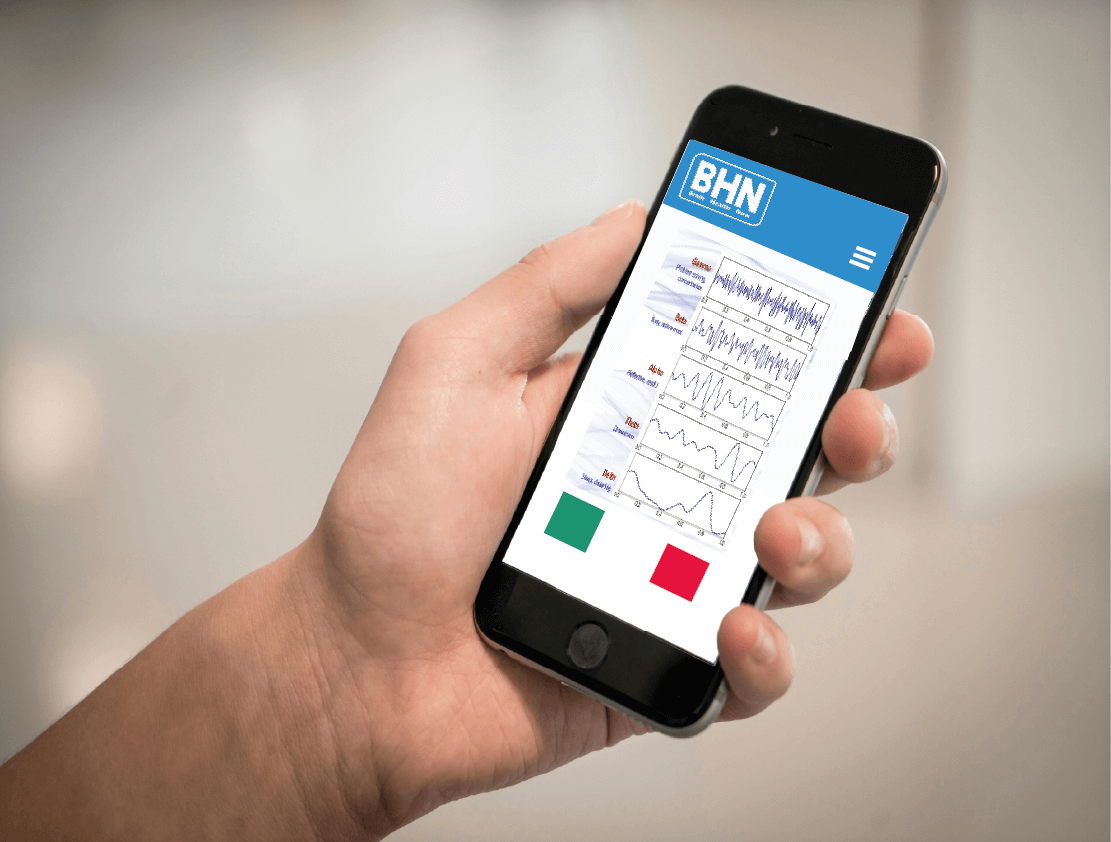
Brain Health Now (BHN) is a UK MedTech company developing a portable EEG headband that connects to a smartphone to detect brain injury in real time. Using AI-supported software, it provides rapid assessment outside hospitals.

Designed for sport, defence, and high-risk workplaces, the system delivers instant guidance — “fit to play” or “seek care” — helping identify injuries earlier and reduce long-term health risks while easing pressure on healthcare services.

BHN is currently conducting academic validation trials, refining its hardware for scalable manufacturing, and improving its machine-learning models. The project will also contribute to building the UK’s largest anonymised EEG dataset for future AI and clinical research.

Working with partners including Leeds Carnegie and Nottingham University, BHN is preparing for rapid deployment following validation, helping position the UK at the forefront of next-generation brain trauma detection.

A Lifelong Record For Your Brain Health

Brain Health Now is a UK MedTech company developing a portable EEG headband that connects to a smartphone app to assess brain health instantly outside hospitals.

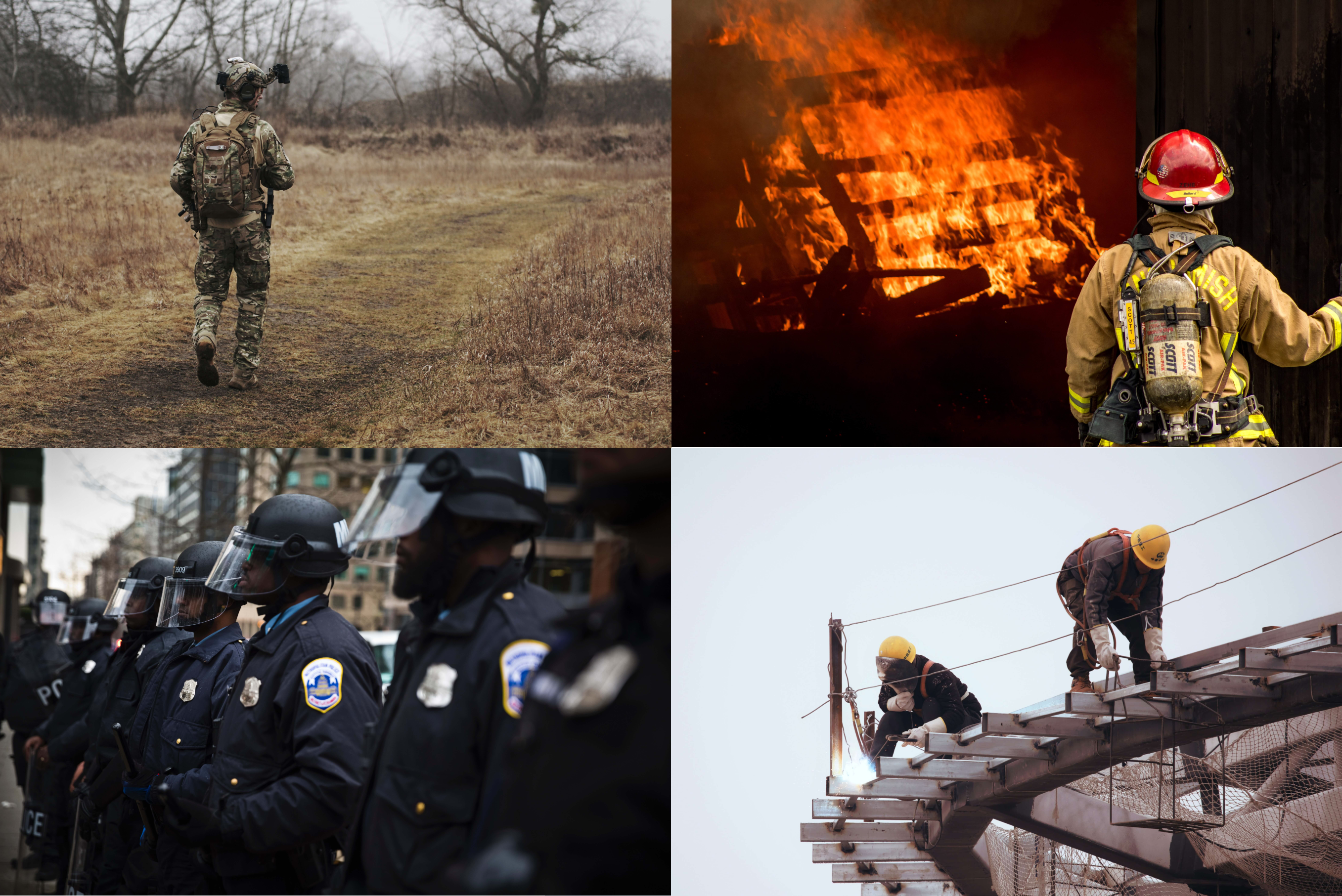
Designed for sport, defence, and high-risk workplaces, the lightweight wearable provides fast, objective brain monitoring at the point of impact. This helps coaches, medics, and supervisors make safer, evidence-based decisions when brain injury or concussion is suspected.

By bringing hospital-grade brain monitoring to real-world environments, Brain Health Now aims to improve early detection of brain injuries that often go undiagnosed due to the lack of rapid, reliable assessment tools.

1,200,000 Head Injuries Are Un-Recognised Annually

The system provides immediate readings of brain activity, analysed by advanced software to offer a clear “fit to play” or “seek further care” recommendation. It also creates a secure, lifelong brain health record for each user, offering valuable long-term insight.

In parallel, anonymised brain data from consenting users will be added to what we aim to become the largest EEG database in the world, a powerful resource for future research into concussion, dementia, PTSD, and other neurological conditions.

Where BHN’s Technology Works

Hover over/Click Image

Athletes

Several contact sports (e.g. football, hockey, lacrosse, and wrestling) are known for high rates of head injuries. While improved gear, stronger regulations, and player education has helped with raising awareness, there is a diagnostic void for proper identification of players affected by a mTBI.

Uniformed Services

TBI is a significant health issue for service men and women due to injuries that occur during training and military operations. The impact of which affects the level of unit readiness and troop retention. The Army has noted that combat medics need to be able to accurately and objectively assess soldiers with mild to moderate TBI

Definition of Sport Related Concussion

Concussion happens in many different settings, not just within sport. Concussion in sport is similarly not just limited to team sports where contact between players is obvious – athletes taking part in individual sports may also be subject to an incidence of concussion while playing or training (e.g. cycling or snow sports).

A definition of sport-related concussion (SRC) has been agreed by the Concussion in Sport Group, via its consensus statement agreed in Berlin in 2016. The statement is designed to develop further conceptual understanding of SRC, using an expert consensus‑based approach.

The Concussion in Sport Group’s definition of sport-related concussion, in the broadest clinical sense, often represents the immediate and transient symptoms of traumatic brain injury. Such operational definitions, however, do not give any insights into the underlying processes through which the brain is impaired, nor do they distinguish different grades of severity, nor reflect newer insights into the persistence of symptoms and/or abnormalities on specific investigational modalities.

The Berlin expert panel modified the previous definition as follows:

Sport related concussion is a traumatic brain injury induced by biomechanical forces. Several common features that may be utilised in clinically defining the nature of a concussive head injury include:

  • SRC may be caused either by a direct blow to the head, face, neck or elsewhere on the body with an impulsive force transmitted to the head.
  • SRC typically results in the rapid onset of short-lived impairment of neurological function that resolves spontaneously. However, in some cases, signs and symptoms evolve over a number of minutes
    to hours.
  • SRC may result in neuropathological changes, but the acute clinical signs and symptoms largely reflect a functional disturbance rather than a structural injury and, as such, no abnormality is seen on standard structural neuroimaging studies.
  • SRC results in a range of clinical signs and symptoms that may or may not involve loss of consciousness. Resolution of the clinical and cognitive features typically follows a sequential course. However, in some cases symptoms may be prolonged.
    The clinical signs and symptoms cannot be explained by drug, alcohol, or medication use, other injuries (such as cervical injuries, peripheral vestibular dysfunction, etc) or other comorbidities (e.g., psychological factors or coexisting medical conditions).


 View Source Document Here

Previous Report

next Report