
90% of traumatic brain Injuries go un-diagnosed. Brain injuries often need hospital diagnosis


Instant Brain Health Insights With Objective Results In Real-Time.


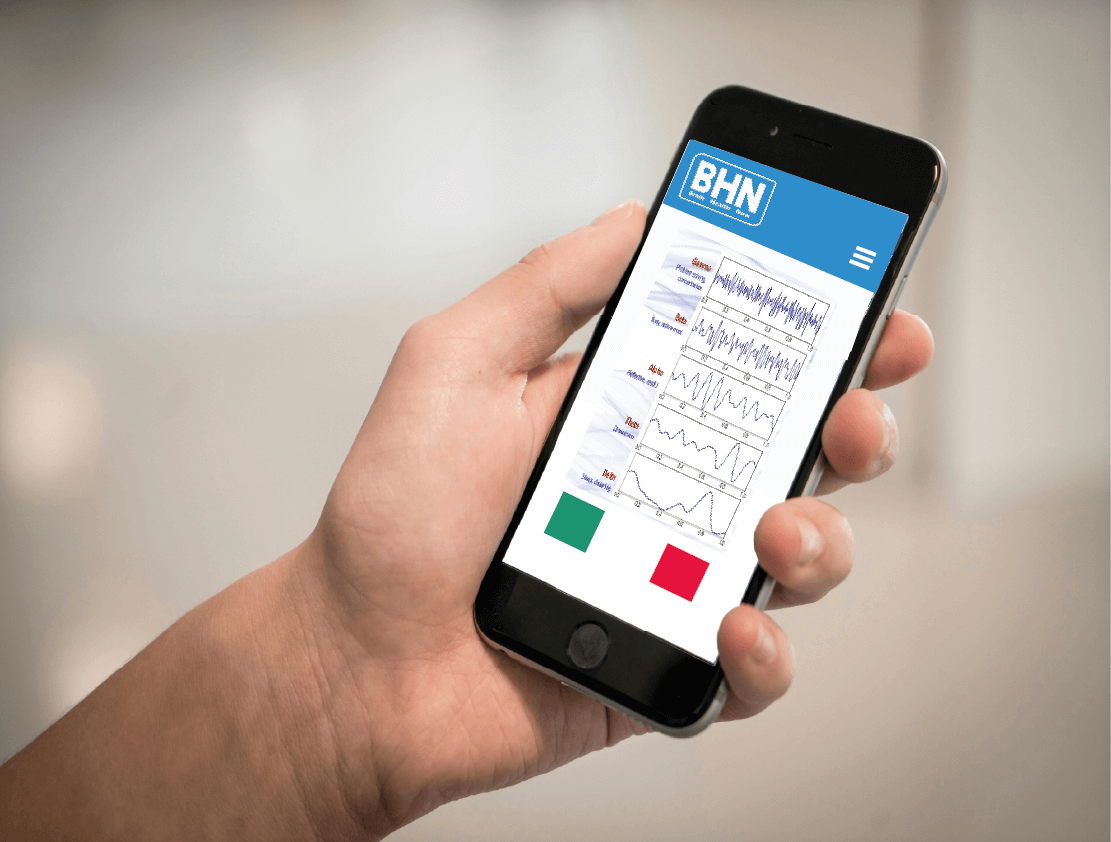
Brain Health Now (BHN) is a UK MedTech company developing a portable EEG headband that connects to a smartphone to detect brain injury in real time. Using AI-supported software, it provides rapid assessment outside hospitals.

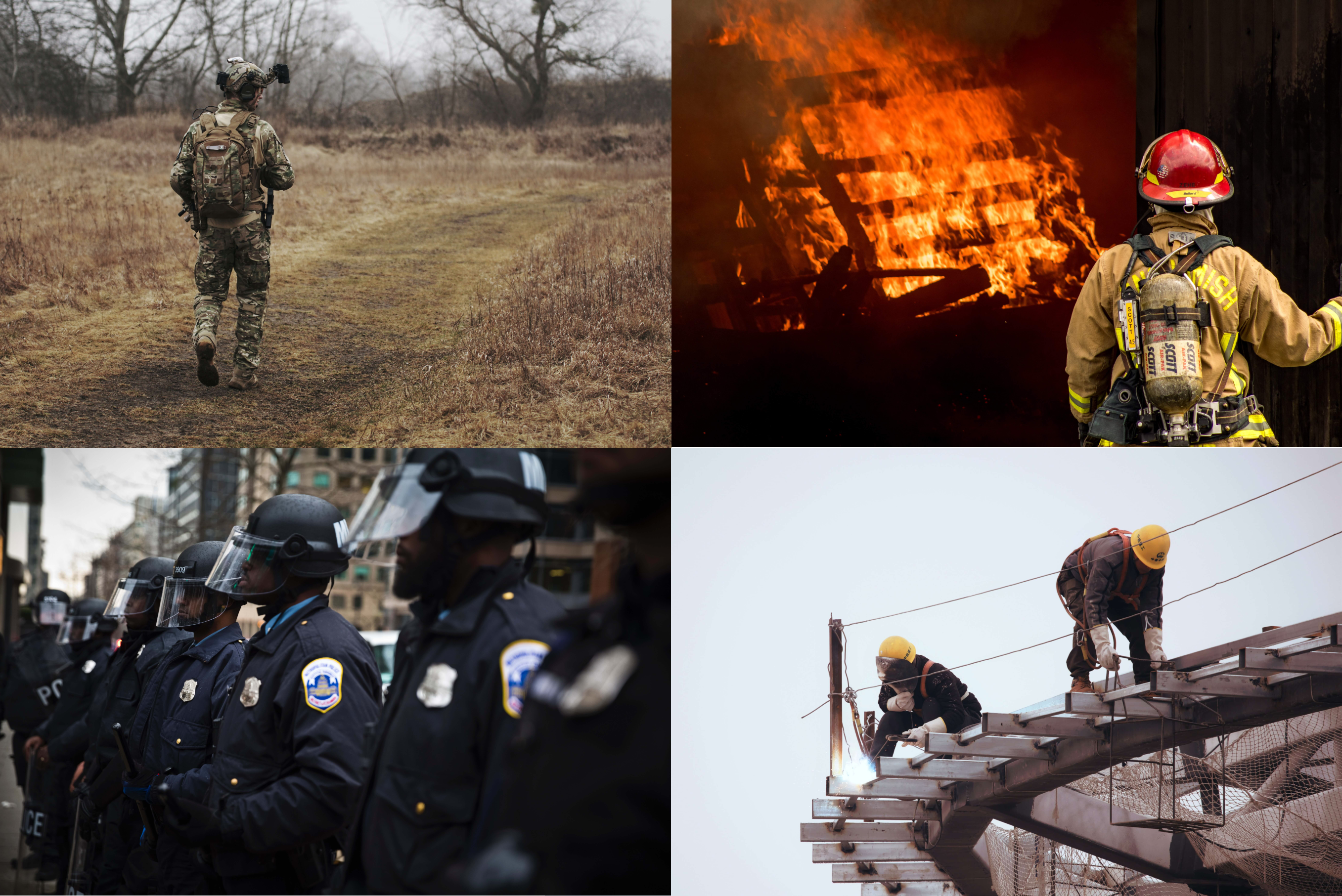
Designed for sport, defence, and high-risk workplaces, the system delivers instant guidance — “fit to play” or “seek care” — helping identify injuries earlier and reduce long-term health risks while easing pressure on healthcare services.

BHN is currently conducting academic validation trials, refining its hardware for scalable manufacturing, and improving its machine-learning models. The project will also contribute to building the UK’s largest anonymised EEG dataset for future AI and clinical research.

Working with partners including Leeds Carnegie and Nottingham University, BHN is preparing for rapid deployment following validation, helping position the UK at the forefront of next-generation brain trauma detection.

A Lifelong Record For Your Brain Health

Brain Health Now is a UK MedTech company developing a portable EEG headband that connects to a smartphone app to assess brain health instantly outside hospitals.

Designed for sport, defence, and high-risk workplaces, the lightweight wearable provides fast, objective brain monitoring at the point of impact. This helps coaches, medics, and supervisors make safer, evidence-based decisions when brain injury or concussion is suspected.

By bringing hospital-grade brain monitoring to real-world environments, Brain Health Now aims to improve early detection of brain injuries that often go undiagnosed due to the lack of rapid, reliable assessment tools.

1,200,000 Head Injuries Are Un-Recognised Annually

The system provides immediate readings of brain activity, analysed by advanced software to offer a clear “fit to play” or “seek further care” recommendation. It also creates a secure, lifelong brain health record for each user, offering valuable long-term insight.

In parallel, anonymised brain data from consenting users will be added to what we aim to become the largest EEG database in the world, a powerful resource for future research into concussion, dementia, PTSD, and other neurological conditions.

Where BHN’s Technology Works

Hover over/Click Image

Athletes

Several contact sports (e.g. football, hockey, lacrosse, and wrestling) are known for high rates of head injuries. While improved gear, stronger regulations, and player education has helped with raising awareness, there is a diagnostic void for proper identification of players affected by a mTBI.

Uniformed Services

TBI is a significant health issue for service men and women due to injuries that occur during training and military operations. The impact of which affects the level of unit readiness and troop retention. The Army has noted that combat medics need to be able to accurately and objectively assess soldiers with mild to moderate TBI

Education-Areas To be Addressed

Areas to be addressed:

The Government believes that basic information about head injuries and the initial action to take should be, at a minimum, consistent across all sports. It should be regularly and consistently updated, easily accessible and easy to understand, regardless of the sporting activity being undertaken and irrespective of age and gender, whether it is at an amateur or professional level, or where it is being played.

Action to be Taken:

The Government agrees with the Select Committee and will commission a set of shared protocols around concussion in sport. We will build upon the existing work undertaken across the different nations of the UK with stakeholders to aim to develop a single set of shared guidelines across the whole of the UK.

These protocols will ensure that no matter where someone is playing sport, or what sport they are playing, there is clear and consistent guidance available (through a wide variety of media) about the basic facts about concussion and the steps that should be taken. At a minimum,
the protocols will cover information about:

• What is concussion/head injury/brain trauma
• How to recognise the signs on and off the field
• Removal from play
• What to do in the short-term (immediately)
• What to do in the medium term (recovery protocols)
• What to do in the longer term (management of post concussion syndrome)
• Returning to play
• How to get more information

These protocols will be designed to be relevant to all participants of sport, regardless of age or gender, as well as those involved in delivering sports, such as sports coaches, officials, family members and teachers.

We expect these protocols to be the initial “base line” upon which each governing sport body will build their own specific protocols relevant to their sport. In addition, we recognise that the development of protocols is in itself not sufficient to raise awareness or change behaviours. Effective communication of the new shared protocols is vital to ensure the key messages reach those who need the information the most. Education
is an essential component of an effective communication plan.

We will therefore seek to use existing networks to distribute the protocols across schools, community sports clubs, sports coaches and national governing bodies of sport. We will look to the whole sport sector to get involved with the process of developing, distributing and actively  promoting the protocols. DCMS will therefore create a distribution network of key stakeholders to ensure that the new protocols are shared as widely as possible across the sporting and educational landscape.

The Minister for Sport will write to UK Sport and Sport England to explore what more can be done to ensure that the shared protocols be implemented by those sports in receipt of public funding.

DCMS will create a distribution network of key stakeholders in receipt of new concussion protocols to be communicated widely across the sport and education sectors.

Milestones:
• The concussion protocols will be completed, and communication started, by summer 2022.

View Source Document Here

Previous Report

next Report