



Despite these important efforts, there are a number of challenges where the Government believes further work is needed as a priority.
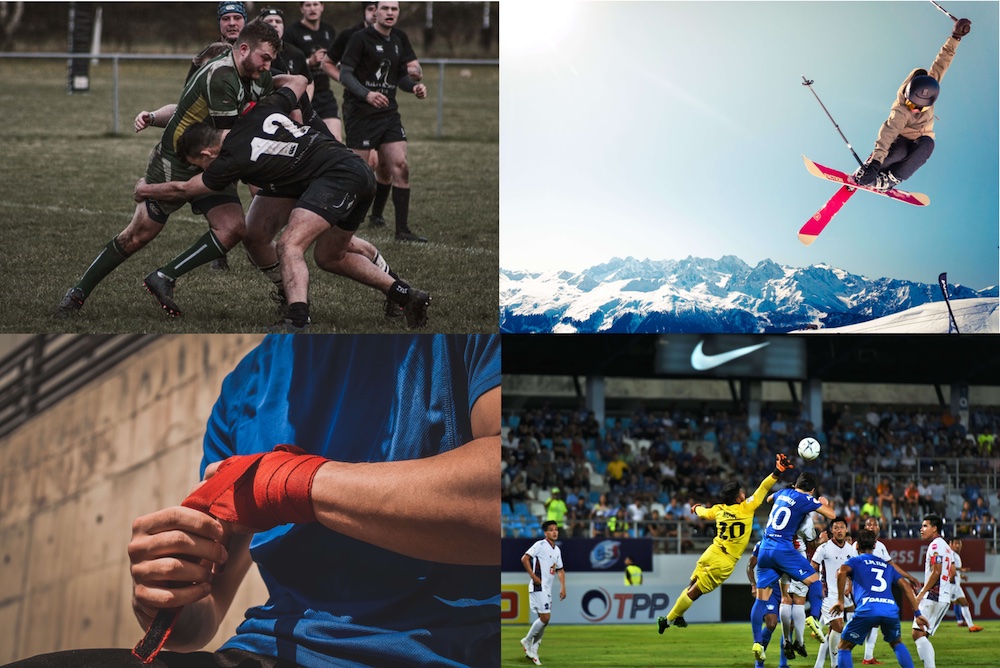
Firstly, there is a lack of shared understanding about the scale and prevalence of acquired brain injury through sporting activities in the UK. This is partly hampered by the lack of clarity about what degree and/or frequency of head trauma may cause long-term injury.
Secondly, there is a lack of robust UK data about the impact of sporting head injuries. It is clear that no amount of quantitative analysis has come close to adequately capturing the impacts on everyday life for people with acquired brain injury or their family and friends. However, there is still value in looking at what can be quantified and establishing the scale of the impacts that sports-related acquired brain injuries can give rise to for both individuals, their families and to our broader society.
Thirdly, we believe that there is scope for greater coordination of research. Individual sports and a variety of related organisations have varying levels of involvement in commissioning research. However, there are some areas of commonality across sports where there would be merit in agreeing shared research goals, and where the findings could be beneficial for more than one sport. Working with the individual sports bodies, specific research needs and gaps (such as female players) may be identified and assistance given to develop the relevant research in a shared and coordinated manner.
Above all, it is clear that there is a need for targeted research which is common to all sports and which should be carried out in an encompassing, disciplined, methodical and coordinated manner.