
90% of traumatic brain Injuries go un-diagnosed. Brain injuries often need hospital diagnosis


Instant Brain Health Insights With Objective Results In Real-Time.


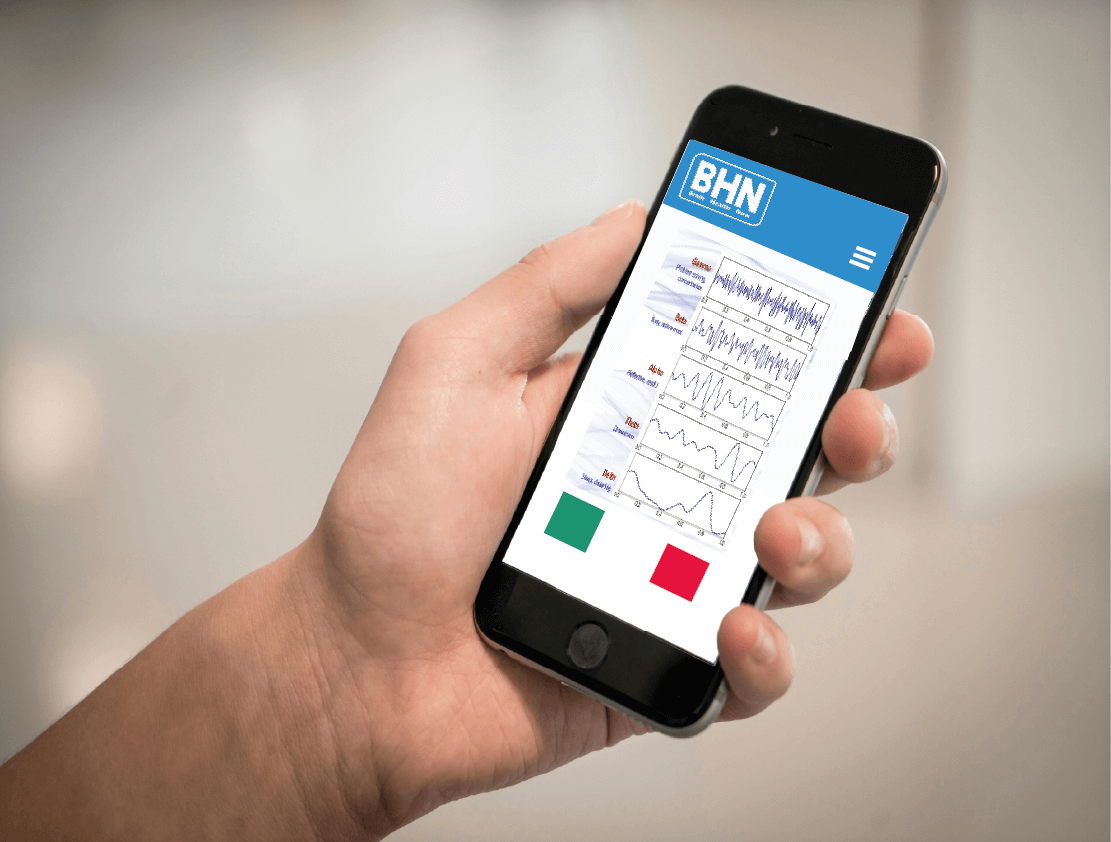
Brain Health Now (BHN) is a UK MedTech company developing a portable EEG headband that connects to a smartphone to detect brain injury in real time. Using AI-supported software, it provides rapid assessment outside hospitals.

Designed for sport, defence, and high-risk workplaces, the system delivers instant guidance — “fit to play” or “seek care” — helping identify injuries earlier and reduce long-term health risks while easing pressure on healthcare services.

BHN is currently conducting academic validation trials, refining its hardware for scalable manufacturing, and improving its machine-learning models. The project will also contribute to building the UK’s largest anonymised EEG dataset for future AI and clinical research.

Working with partners including Leeds Carnegie and Nottingham University, BHN is preparing for rapid deployment following validation, helping position the UK at the forefront of next-generation brain trauma detection.

A Lifelong Record For Your Brain Health

Brain Health Now is a UK MedTech company developing a portable EEG headband that connects to a smartphone app to assess brain health instantly outside hospitals.

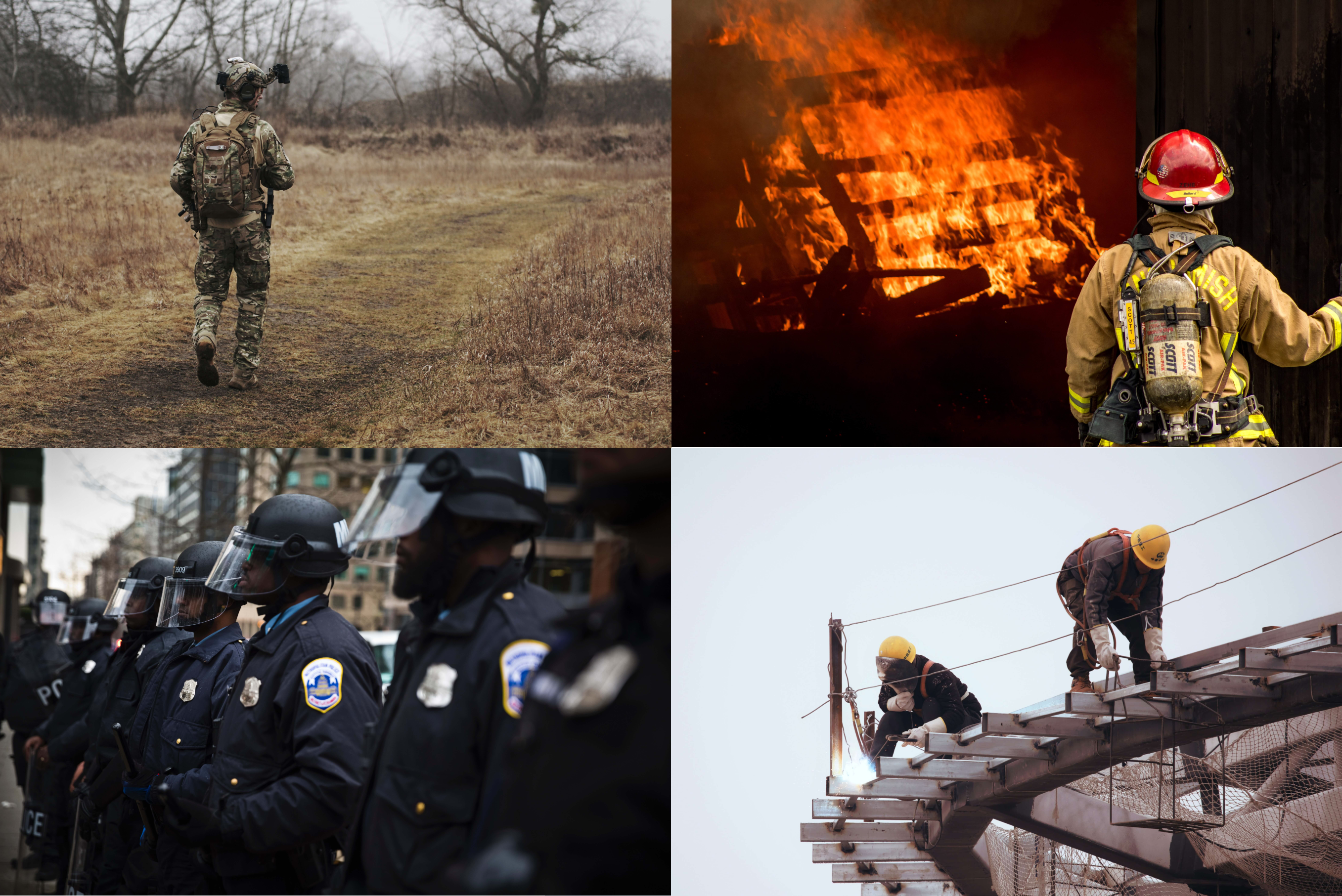
Designed for sport, defence, and high-risk workplaces, the lightweight wearable provides fast, objective brain monitoring at the point of impact. This helps coaches, medics, and supervisors make safer, evidence-based decisions when brain injury or concussion is suspected.

By bringing hospital-grade brain monitoring to real-world environments, Brain Health Now aims to improve early detection of brain injuries that often go undiagnosed due to the lack of rapid, reliable assessment tools.

1,200,000 Head Injuries Are Un-Recognised Annually

The system provides immediate readings of brain activity, analysed by advanced software to offer a clear “fit to play” or “seek further care” recommendation. It also creates a secure, lifelong brain health record for each user, offering valuable long-term insight.

In parallel, anonymised brain data from consenting users will be added to what we aim to become the largest EEG database in the world, a powerful resource for future research into concussion, dementia, PTSD, and other neurological conditions.

Where BHN’s Technology Works

Hover over/Click Image

Athletes

Several contact sports (e.g. football, hockey, lacrosse, and wrestling) are known for high rates of head injuries. While improved gear, stronger regulations, and player education has helped with raising awareness, there is a diagnostic void for proper identification of players affected by a mTBI.

Uniformed Services

TBI is a significant health issue for service men and women due to injuries that occur during training and military operations. The impact of which affects the level of unit readiness and troop retention. The Army has noted that combat medics need to be able to accurately and objectively assess soldiers with mild to moderate TBI

Response-Professional Sport

5. Government immediately mandate the Health and Safety Executive to work with National Governing Bodies of all sports to establish, by July 2022, a national framework for the reporting of sporting injuries. Within a year of the framework being published, all organised sports should be required to report any event that might lead to acquired brain injury.”

The Government agrees in part with this recommendation. The Government supports greater and more accurate recording of sports concussion incidents but believes that other organisations are better placed to collate and use this information than the Health and Safety Executive (HSE).

HSE holds the policy lead for health and safety in sport and leisure, liaising with National Governing Bodies on relevant matters of interest and with other sporting bodies such as CIMSPA (Chartered Institute for the Management of Sport and Physical Activity), Sport UK and UKactive. HSE looks to National Governing Bodies for advice on the relevant standards for equipment, rules of play, and training, this being their area of expertise. Health and Safety is a reserved matter insofar as Great Britain is concerned. HSE has no remit in this area in Northern Ireland..

Local Authorities are primarily responsible for enforcing The Health and Safety at Work Act (HSWA) to the extent that it applies in sport (unless the activity itself falls under LA control, in which case it falls to HSE). Current policy is that sporting injuries sustained in the field of play are not reportable under the Reporting of Injuries, Diseases and Dangerous Occurrences Regulations 2013 (RIDDOR).

HSE fully recognises the importance of the issues raised by the DCMS Select Committee in its report into Concussion in Sport. HSE is committed to a pragmatic, holistic, approach to the reduction of harm to sportspeople and recognises the key role of the reporting of injuries as a part of that process. HSE is fully prepared to work with National Governing Bodies, as well as other interested parties to assist in establishing a comprehensive reporting scheme providing meaningful data to improve health outcomes for sportspeople. HSE will also be willing to support in the drafting of, and endorse a code of practice for the management of head injuries in sport.

The Government will look into the feasibility of a national register of concussion incidents. To take this forward, the Government will convene the sports concussion research forum of sports and medical professionals to discuss the development of a standard framework for the recording of head injuries, and associated processes for the collation and analysis of this data.

View Source Document Here

Previous Report

next Report