

90% of traumatic brain Injuries go un-diagnosed. Brain injuries often need hospital diagnosis


Instant Brain Health Insights With Objective Results In Real-Time.


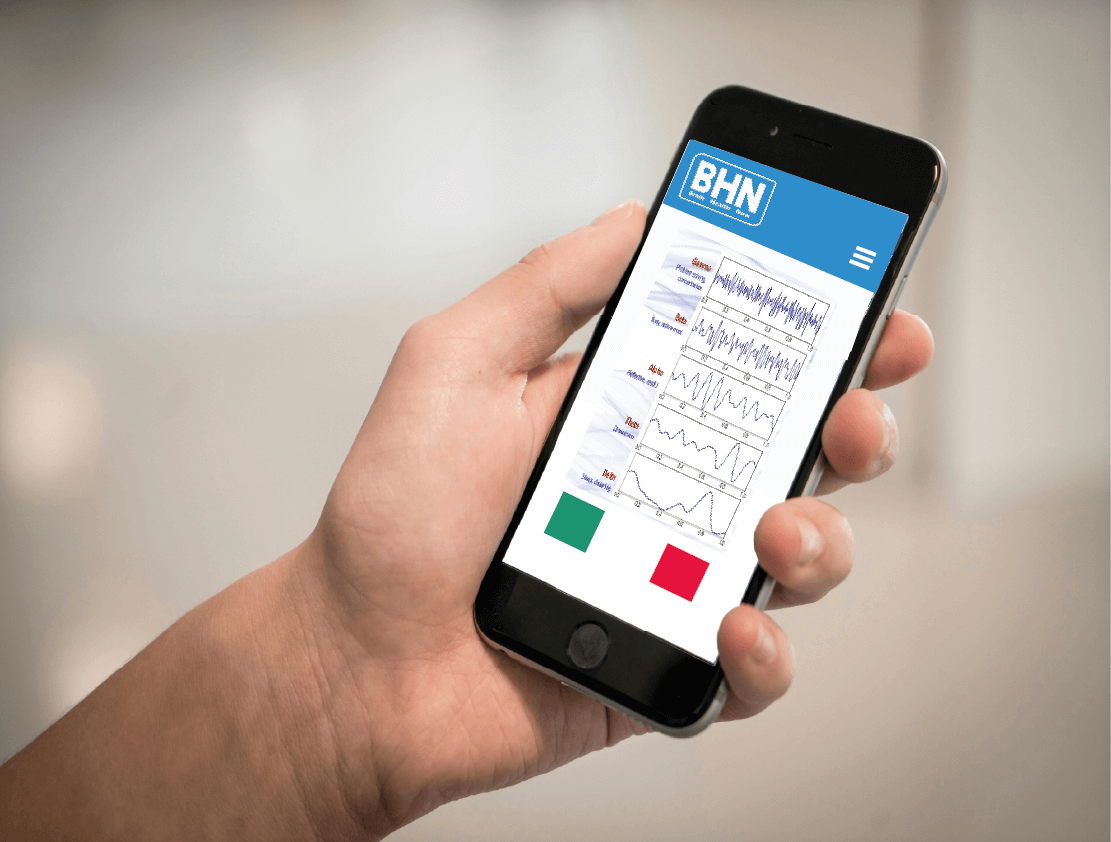
Brain Health Now (BHN) is a UK MedTech company developing a portable EEG headband that connects to a smartphone to detect brain injury in real time. Using AI-supported software, it provides rapid assessment outside hospitals.

Designed for sport, defence, and high-risk workplaces, the system delivers instant guidance — “fit to play” or “seek care” — helping identify injuries earlier and reduce long-term health risks while easing pressure on healthcare services.

BHN is currently conducting academic validation trials, refining its hardware for scalable manufacturing, and improving its machine-learning models. The project will also contribute to building the UK’s largest anonymised EEG dataset for future AI and clinical research.

Working with partners including Leeds Carnegie and Nottingham University, BHN is preparing for rapid deployment following validation, helping position the UK at the forefront of next-generation brain trauma detection.

A Lifelong Record For Your Brain Health

Brain Health Now is a UK MedTech company developing a portable EEG headband that connects to a smartphone app to assess brain health instantly outside hospitals.

Designed for sport, defence, and high-risk workplaces, the lightweight wearable provides fast, objective brain monitoring at the point of impact. This helps coaches, medics, and supervisors make safer, evidence-based decisions when brain injury or concussion is suspected.

By bringing hospital-grade brain monitoring to real-world environments, Brain Health Now aims to improve early detection of brain injuries that often go undiagnosed due to the lack of rapid, reliable assessment tools.

1,200,000 Head Injuries Are Un-Recognised Annually

The system provides immediate readings of brain activity, analysed by advanced software to offer a clear “fit to play” or “seek further care” recommendation. It also creates a secure, lifelong brain health record for each user, offering valuable long-term insight.

In parallel, anonymised brain data from consenting users will be added to what we aim to become the largest EEG database in the world, a powerful resource for future research into concussion, dementia, PTSD, and other neurological conditions.

Where BHN’s Technology Works

Hover over/Click Image

Athletes

Several contact sports (e.g. football, hockey, lacrosse, and wrestling) are known for high rates of head injuries. While improved gear, stronger regulations, and player education has helped with raising awareness, there is a diagnostic void for proper identification of players affected by a mTBI.

Uniformed Services

TBI is a significant health issue for service men and women due to injuries that occur during training and military operations. The impact of which affects the level of unit readiness and troop retention. The Army has noted that combat medics need to be able to accurately and objectively assess soldiers with mild to moderate TBI

Technology – Current Situation

Current situation:

There are already a number of examples where technology is helping sports to understand the incidence and impacts of head injuries among players. For example, Sports & Wellbeing Analytics Ltd works with Swansea University and other partners to deliver innovative technology solutions in sports welfare. Their PROTECHT system is a real time head impact monitoring and management system for making contact sports safer. Initially developed for Elite Rugby Union, the system uses instrumented mouthguards to provide a quantitative measure of the intensity, direction and duration of all impacts to each athlete’s head whether they are direct to the head or not.

LOTG-led technology trials are commencing immediately with a portable brain scanning system measuring brain activity and function going through Medicines and Healthcare products Regulatory Agency (MHRA) approval. Training in its use for professional and amateur players has been completed in Cornwall, London and Kent and it is hoped that they will be a valuable aid to diagnostics and return to play protocols. The objective is to keep the product inexpensive and allow sports teams and schools access to their own scanning technology.

LOTG has developed a complete Concussion Management Partnership with a North American provider, allowing the UK immediate access to a tested system with quantifiable results in concussion symptom reduction. The initial roll out is planned to occur in 2022 with an objective of having similar systems available and rolled out across the country by 2026.

The Rugby Football League also launched a pilot scheme from May to August 2021 involving more than 1,200 players for an extensive game-wide research project into the cause and effects of concussion.

The 12 Super League clubs are to work with the Rugby Football League on the Instrumented Mouth-Guard Project, with research led by Leeds Beckett University designed to quantify the risk of head impact in rugby league. The scheme aims to cover around 50 teams at all levels of the game, including academy, the Betfred Women’s Super League and community clubs. Researchers are testing different instrumented mouthguards in both training and matches. Leeds Rhinos have been using such mouthguards since 2020 and Salford Red Devils have also started to use them this season.

The findings will determine which instrumented mouthguards are selected for the project, which is expected to begin in January 2022 and run for three years.

Not only can this type of information help individuals understand more about their own health, it can help teams take steps to reduce risks for players, such as by adapting training to limit the likelihood of head injuries outside of competition.

This is one example of where technology can have an immediate and positive benefit for research and sports. Advances in technology mean that new equipment and new software is being developed constantly as experts seek to find ways to capture increasingly real-time information in as unobtrusive a way as possible.

View Source Document Here

Previous Report

next Report